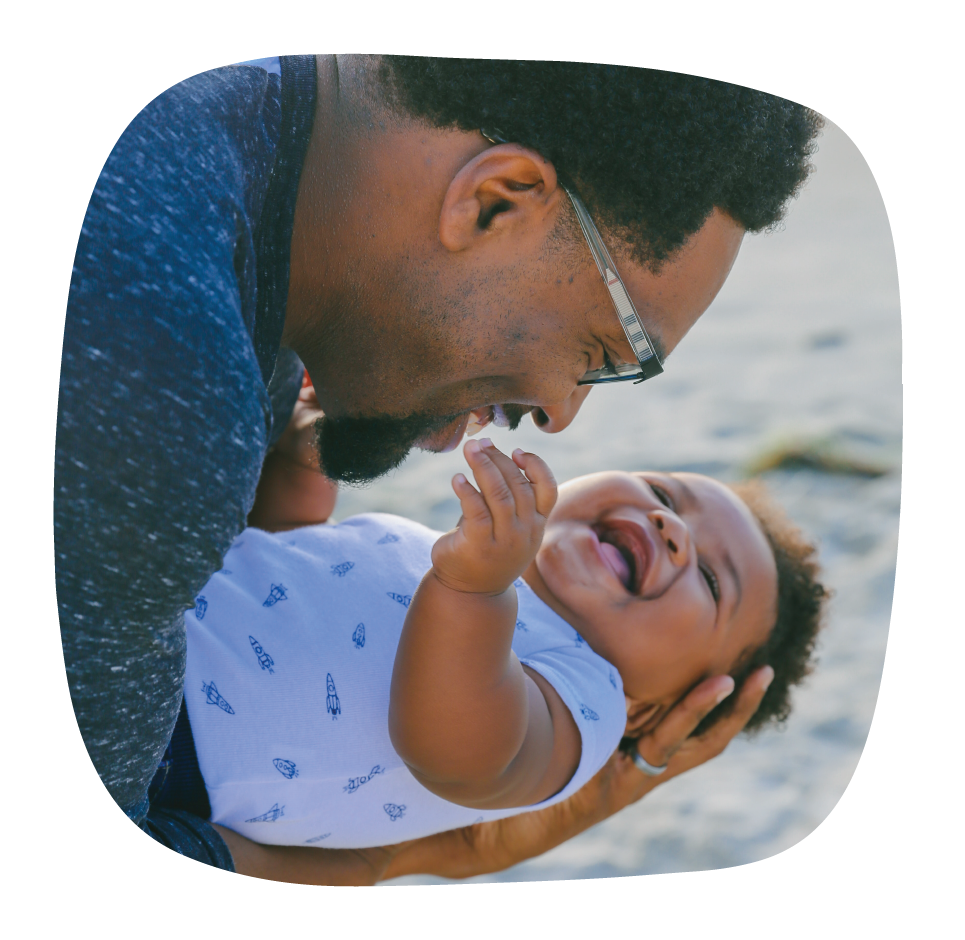
“Fathers Are Fathers – And So Much More”
By Thelma Ramirez, Ed.M
The week before Father’s Day, my inbox was flooded with reminders to “make his Father’s Day unforgettable”: Buy the grill, order the tool set, pick up the matching tie and socks. Two years into parenting, I can’t help but notice how, even when fatherhood is celebrated, it’s often portrayed as one-dimensional and transactional. A single day. A certain type of dad. When in reality fatherhood looks like a lot of different things.
Fathers are, of course, dads. But in the day-to-day, they’re also friends, colleagues, mentors, leaders, and advocates. They are uncles who show up for Donuts with Daddy at school, neighbors patiently coaching wobbly bike riders, and “grandpas” who seem to belong to the whole apartment complex, greeting every child by name. Some may even switch places with their partner, taking their babies or toddlers to the playground while their spouse works outside the home. Fatherhood is present in all these moments, from the big acts to the small, simple interactions that ripple through families and communities.
Working with my colleagues Junlei Li, Katie Pahigiannis, Aleta Meyer, and Pooja Curtin on our 2023 report for an office of the federal Administration for Children and Families, Applying Insights from Human Connection and Co-Regulation: Supporting Fathers in Human Services Programs, I listened to stories from fathers and insights from a range of experts. The stories we heard were of pride, persistence, and resourcefulness. Today, so many fathers are defying outdated stereotypes and expectations. Yes, they provide financially, but they’re also reading bedtime stories, attending school plays, changing diapers — often without a road map or much community support. And these roles aren’t limited to biological dads: Grandfathers, uncles, stepparents, and other men are stepping up, too.
Yet, for all this change, society seems slow to adjust. I still get most of the daycare emails. For a while, I was the first parent called if anything came up. It took several reminders before my partner started getting included. Progress, yes, but it shows how everyday interactions can sideline fathers even as their roles evolve.
As a home visitor, I saw this all the time. Dads would pop in on lunch breaks, sometimes invited into the conversation but often just in passing. When our program planned “family nights,” I wondered why it was mostly mothers who came. Eventually, I learned some fathers did show up but waited in their cars, unsure if the activities were really meant for them.
It’s easy to check the box: Host a Father’s Day event, hold a training about “engaging fathers,” help kids make cards for Dad. But real inclusion is so much more. It means noticing and supporting the many ways fathers show up and creating spaces for dads to connect with their kids and each other. The things that help children thrive — warm relationships, supportive environments, meaningful interactions — are what fathers need to feel welcomed and valued.
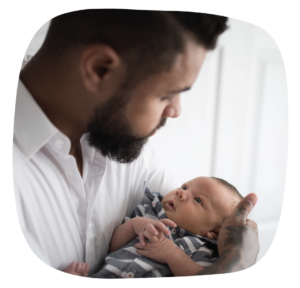
When our program planned “family nights,” I wondered why it was mostly mothers who came.
Eventually, I learned some fathers did show up but waited in their cars, unsure if the activities were really meant for them.
So what actually helps? Letting fathers lead activities and help shape group norms; displaying positive messages about dads in your space; making room for dads to form peer groups that are more than just repackaged mom groups. Most of all, it’s about seeing fathers as they are and inviting them in purposefully — not as an afterthought.
Our full report shares strategies and practical steps for including fathers in real, meaningful ways. I hope you’ll read it, reflect with your colleagues (or even parent friends), and ask: Would fathers in our setting feel genuinely welcome, or would they sit out in the parking lot, unsure whether they belong? Sometimes, small changes in how we interact with and engage fathers can go a long way.


Thelma Ramirez, Ed.M, is a research manager at Harvard’s EASEL Lab, where she supports the equity-focused efforts of several projects. Her research interests include family engagement in social and emotional learning (SEL), culturally responsive pedagogy, and the intersection of equity and SEL interventions — all in an effort to ensure and foster inclusive and safe learning spaces for students of all backgrounds. Prior to her work at the EASEL Lab, Ramirez served as a parent educator, infant family specialist, and home visitor trainer. Ramirez has an AB in sociology from Princeton University and an EdM in prevention science and practice from the Harvard Graduate School of Education.
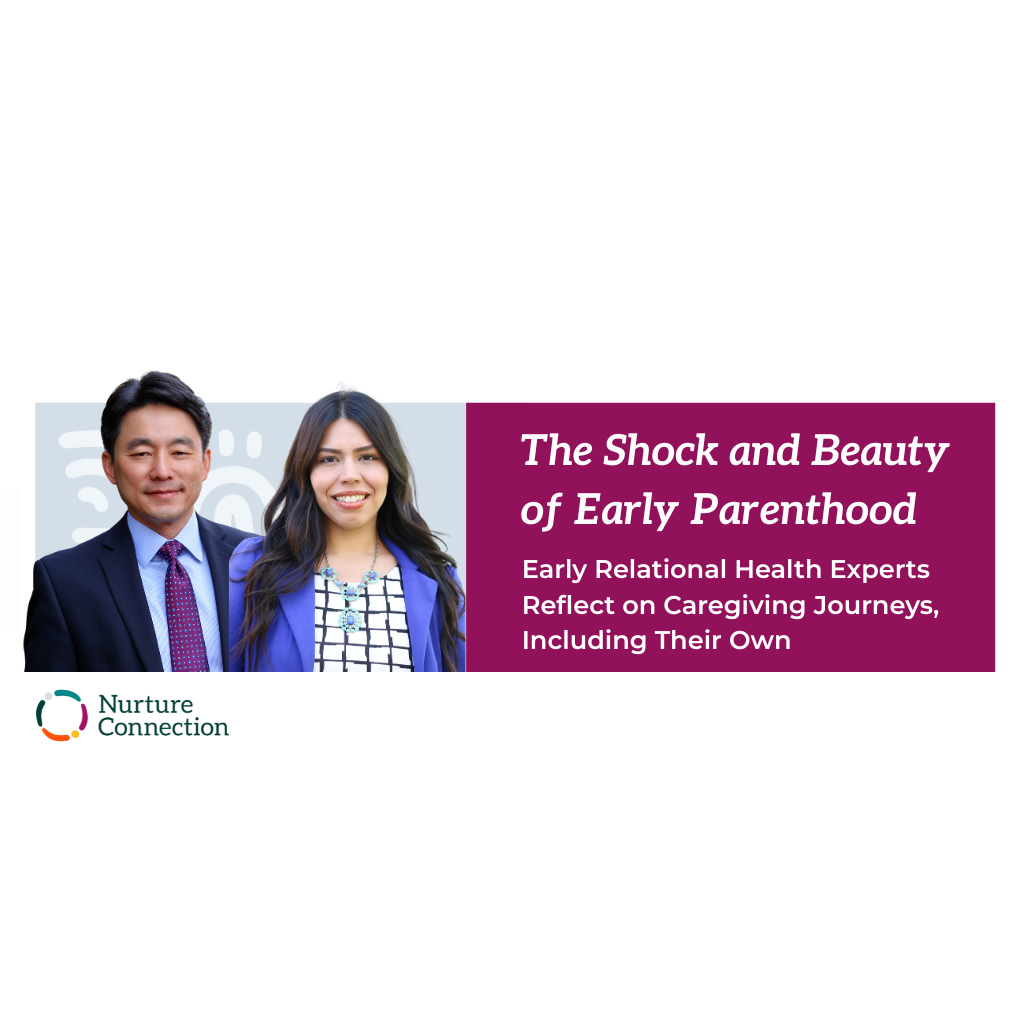
“The Shock and Beauty of Early Parenthood”: Early Relational Health Experts Reflect on Caregiving Journeys, Including Their Own is a collection of stories from Nurture Connection, a national catalytic network devoted to promoting strong, positive, and nurturing early relationships to build healthier, more connected communities.
The stories are written by Thelma Ramirez, Ed.M, and Dr. Junlei Li, PhD, of Harvard University, who both work in the field of early childhood and relational health and who are both parents themselves. These narratives offer an intimate glimpse into how skilled early relational health practitioners help families navigate the challenges of parenting, sharing their own obstacles along the way. Read more about the series here.
Read the Full Series

“We Were Not Meant to Do This Alone”: Why We’re Reflecting on Our Own Parenting Journeys by Junlei Li, PhD & Thelma Ramirez, EdM
“Fathers Are Fathers – And So Much More” by Thelma Ramirez, EdM
“You and Your Child: How Many Interactions Are Enough?” by Junlei Li, PhD
“There Is No Magical Switch — It Takes a Village” by Thelma Ramirez, EdM
“Where Is My Maternal Instinct?” by Thelma Ramirez, EdM
“Do Fathers Need to Have Paternal Instincts?” by Junlei Li, PhD