By Nurture Connection
On Tuesday, October 21, 2025, Nurture Connection hosted a conversation about the power of codesign in Early Relational Health (ERH) research by centering parent voices. The conversation was moderated by Nikki Shearman, PhD, chief of research and innovation at Reach Out and Read, who was joined by Dani Dumitriu, MD, PhD, director of the Center for Early Relational Health at Columbia University, and parent leaders Tiffany Solomon, Deepa Srinivasavaradan, and Steven Thibert, a Nurture Connection Family Network Collaborative member.
Presenters discussed the power of codesign in research, where parent leaders are partners in exploring emergent ERH constructs and play a crucial role in building trust — and workforce opportunities — with families and communities in the process.

Key Takeaways:
- Codesign supports the study of emergent, dyadic ERH constructs. Taking a collaborative approach to research design can help researchers identify new relational constructs and ways to study ERH, bonding, and connection between caregivers and children.
- Parent leaders played a vital role in the codesign process. The interview guide was codesigned with parent leaders, who also conducted and transcribed 18 interviews.
- Research initiatives that center a codesign process can help create new pathways for community engagement and workforce development. The codesign process creates opportunities for building a parent leader workforce, as well as trust with families and communities.
Codesign Supports the Discovery of Emerging ERH Constructs
Early Relational Health (ERH) is studied through several constructs, like bonding and attachment, as well as emotional availability, maternal sensitivity, unpredictability and temperament. Bonding and attachment are unidirectional and measure something unique about one member of the parent-child dyad. For instance, the bond from child to parent can be observed in how children respond to the parent during stressful situations.
Dr. Dani Dumitriu’s team is studying the emergent property of emotional connection that emerges in the dyadic interaction between a parent and child, which can be further assessed through these measures and constructs — and rather than studying each construct separately, they are currently running a longitudinal study that looks at all of these constructs together.
This raised the broader research question of whether there might be additional ERH constructs that researchers can identify through the codesign process by going beyond the lab and listening to the lived experiences of parents.
“Overall, the study was to go out to parents and ask them to describe their relationship and experiences of connection with their youngest child,” shared Dr. Dumitriu. “We began with an interview guide that we developed in the lab, but then there was a beautiful process of codesign with parent leaders, where these questions were further refined.”

“When you have parents and researchers coming together, there’s this fresh, out-of-the-box thinking that happens that is just so exciting and really fun to experience.”
—Dani Dumitriu, MD, PhD, Director of the Center for Early Relational Health at Columbia University
Reflections on the Codesign Process
Valuing parent perspectives in the codesign process can be very meaningful, both for the researchers and for the parents involved. As Dr. Dumitriu shared from a research perspective, “I think the most fascinating thing is that it’s a very different way of looking at questions. You’re sort of stuck in one mindset as a researcher. When you have parents and researchers coming together, there’s this fresh, out-of-the-box thinking that happens that is just so exciting and really fun to experience.”
For parent leaders like Tiffany Solomon, being invited to the table to share your family’s story benefits everyone involved: “My personal lived experience and perspective was welcomed. It was validated, and I felt valued as an equal contributor to this work. . . . I was really excited to see changes in my community that I knew were directly informed by the data that I provided from the codesign perspective.”

“It was an amazing, validating, and uplifting process.”
—Steven Thibert, Parent Leader, Nurture Connection Family Network Collaborative (FNC)
Codesign as a Parent Leadership Pathway to Workforce Development Opportunities
In addition to sharing and holding space with other parents, parent leaders involved in this codesign process also appreciated the opportunity to learn and develop new skills that can translate to future workforce opportunities in the research and early childhood space. Parent leaders like Deepa Srinivasavaradan were able to gain researcher certification training, which introduced them to research-related acronyms and information to help them work with human subjects.
“That training was really helpful and opened my eyes to be more supportive of the researchers and the research work that’s happening,” shared Srinivasavaradan. She was also able to build on her current work at a parent training and information center, by connecting parents from the codesign initiative with other researchers, research projects, and other local community resources.
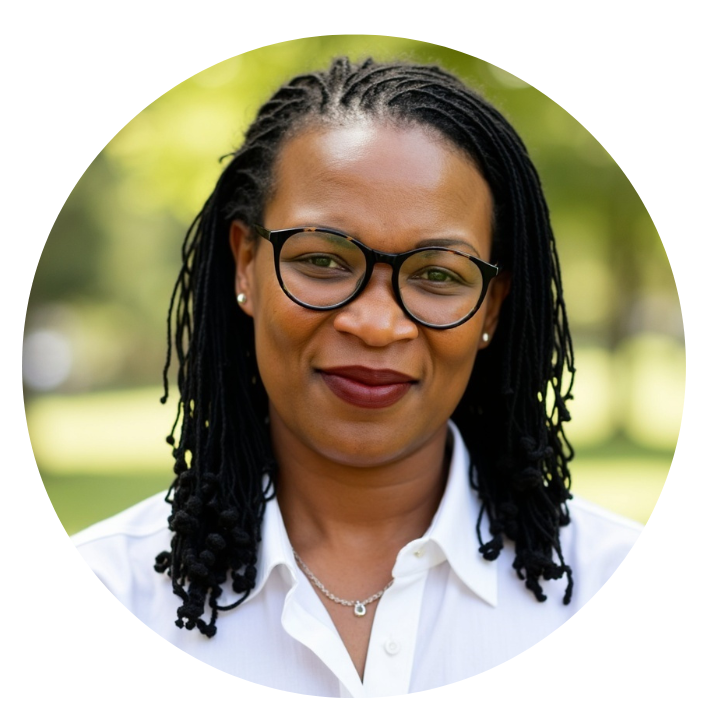
“The mistrust and the climate that we’re in currently are critically important to think about . . . I appreciated the anonymous and confidential space that we worked within.”
—Tiffany Solomon, Parent Leader
Bridging Peer Connection with Trust and Healing
In order to listen and learn as much as possible, interviews were conducted anonymously. This approach helped foster a deep sense of trust between parent leaders and the community members they interviewed, many of whom came from diverse backgrounds and cultures. “The mistrust and the climate that we’re in currently are critically important to think about and be supersensitive around,” said Solomon. “I appreciated the anonymous and confidential space that we worked within. I think we probably would not have gotten all of the answers that we got.” The interviews also provided an opportunity for families to learn about other resources in their community and to learn more about ERH research.
In the process of conducting interviews, parent leaders expressed how these conversations created healing containers for everyone involved. “Holding that space and offering a listening ear is not easy,” said Srinivasavaradan, but “many [of the parents we interviewed] appreciated the opportunity to unpack some of what they have been holding on to, even though some of these things were really difficult for them to share.”
“I think it was an amazing, validating, and uplifting process,” added Steven Thibert, a parent leader and member of Nurture Connection’s Family Network Collaborative (FNC). “It was a privilege to be able to hold space for these parents — some of whom I’ve known for years — telling me things I did not know about their past, [which] allowed our relationship to become even closer.”
Initial Analysis and Emerging Themes
Interview analysis is currently underway and expected to conclude by December 2025, with a presentation of more findings and insights still to come. In the meantime, some early themes from this research are beginning to surface. Three themes that Dr. Dumitriu’s team has started to identify include: 1) an embodied feeling of emotional connection that is often beyond words; 2) differences expressed by parents in the quality of their connection with each of their children; and 3) the importance of reciprocal joy and connection.
“What we really are trying to do is understand the entire sphere of Early Relational Health,” said Dr. Dumitriu. “We want to make sure that if there is another construct [about the role of early relationships] that emerges from these interviews, we continue to dig deeper and deeper with the scientific lens. We’re just at the beginning of this work.”

“I’m really motivated by this codesign process, and I’m looking forward to more opportunities to expand on this work that we have done together so far.”
—Deepa Srinivasavaradan, Parent Leader
Looking Ahead
Bringing parents into the research design process and reimagining ERH research through a codesign lens present exciting possibilities for what information can be gathered to support families. At the same time, it is important to recognize the importance of authentically engaging with parents, and honoring their lived experiences and expertise. Information that comes from this research should ultimately be passed back and shared with the parents involved, who should also be compensated for their involvement and contributions — because, as Dr. Nikki Shearman noted, “they’re giving time to us in the same way that a researcher or a scientist or a clinician would.”
“The beauty of this work that we’re doing is that we’re all working together and collaborating,” shared Dr. Shearman. “We have parents giving input. We have scientists, we have clinicians, everybody is doing their piece to make sure that the community has their voice — and that we are connecting this to public policy.”
As parent leader Srinivasavaradan reflected, “I’m really motivated by this codesign process, and I’m looking forward to more opportunities to expand on this work that we have done together so far.”
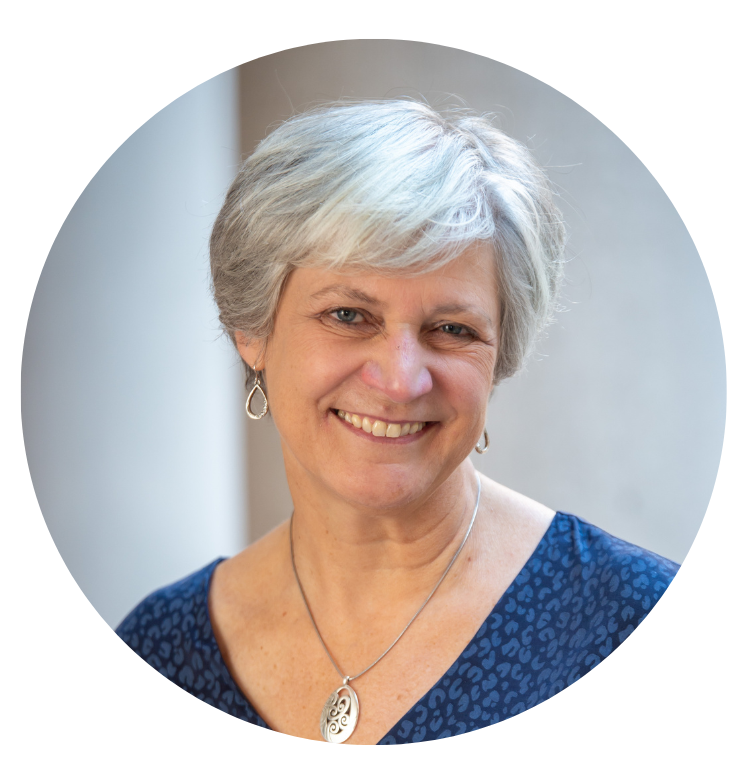
“The beauty of this work is that we’re all working together and collaborating . . . everybody is doing their piece to make sure that the community has their voice.”
—Nikki Shearman, PhD, Chief of Research and Innovation, Reach Out and Read
Explore More:
-
-
-
-
-
- Watch the webinar recording and check out additional resources at this link.
- Discover more reflections from parent leaders in Part I of our Power of Codesign in Research webinar series: “How Parent Partnership Supports Practice Transformation” – read here and watch the Part I recording.
- Learn more about the Center for Early Relational Health and the COMBO initiative.
- Learn more about Reach Out and Read and what’s next for the CONNECT Survey.
-
-
-
-